Weekend
Belfast and the Causeway Coast: Titanic, markets and basalt columns
Two days in the city, from the shipyard where Titanic was built to St George's Victorian market hall and the free Ulster Museum, then a train and bus to the Giant's Causeway.
By VacationGuide Editors · · 5 min read
Belfast rewards a long weekend that splits neatly in two. The first half belongs to the city: the shipyard where Titanic was built, a Victorian market hall that has been trading since the 1890s, and a free museum beside the Botanic Gardens. For the second, take the train north to the coast and walk out onto the Giant's Causeway, around 40,000 basalt columns stepping down into the sea. You can do the whole thing without a car.
Titanic Belfast: start where the ship was built
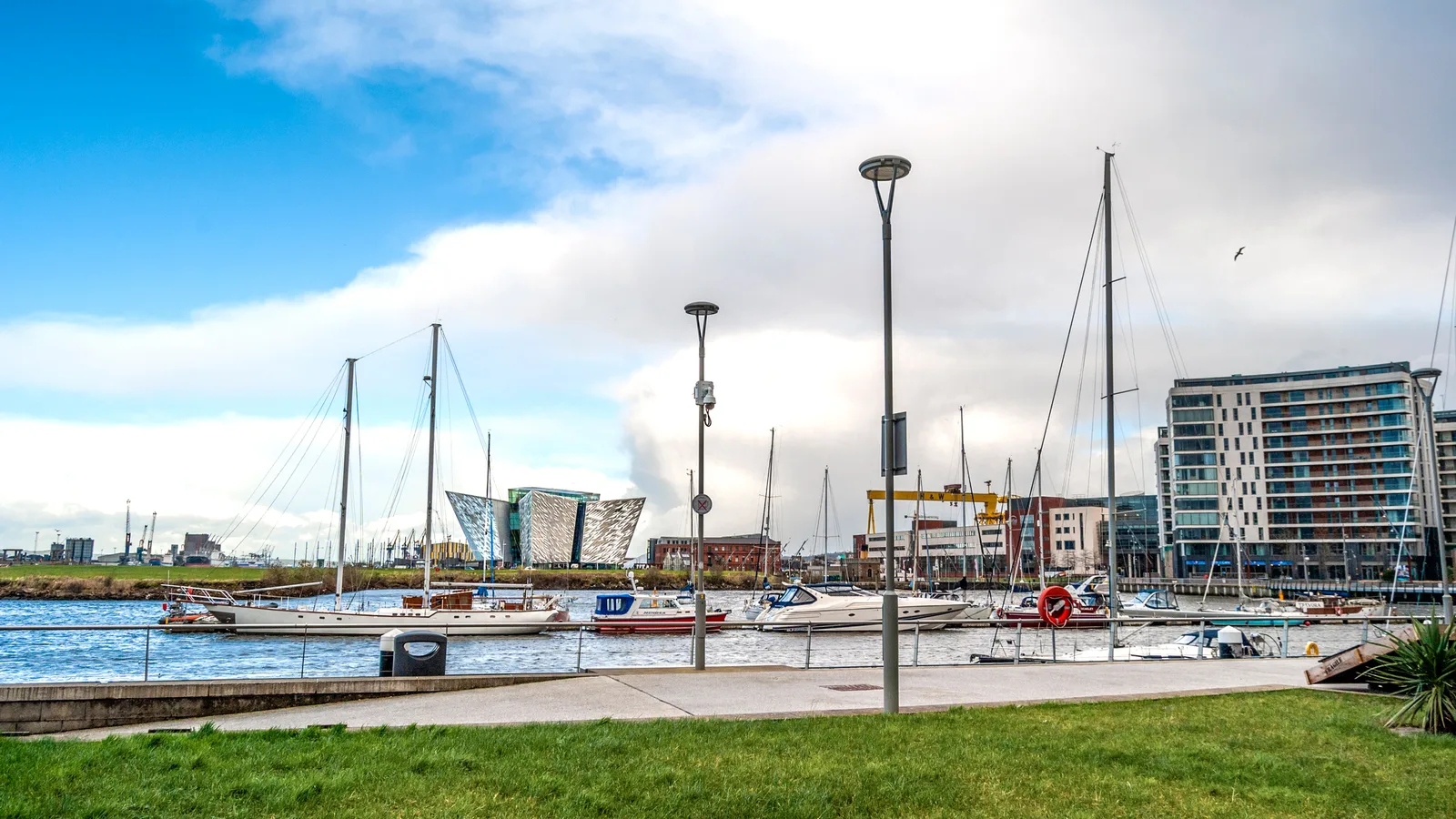
Titanic Belfast opened on 31 March 2012, in time for the centenary of the ship's maiden voyage and sinking. It stands on the former Harland & Wolff shipyard on Queen's Island, in what is now the Titanic Quarter, on the ground where Titanic was built. The building is 38.5 metres tall, the same height as Titanic's hull. Several of the slipways and graving docks around it are listed heritage features.
Inside, nine galleries take the story from early 20th-century industrial Belfast to the wreck as it lies today. Don't rush the early galleries. The city's industrial story is the part most visitors know least, and it explains the rest. Nearby, the SS Nomadic is the last surviving White Star Line ship. If you want to stay in the quarter, the Titanic Hotel Belfast is on our pages.
St George's Market: go on a weekend morning
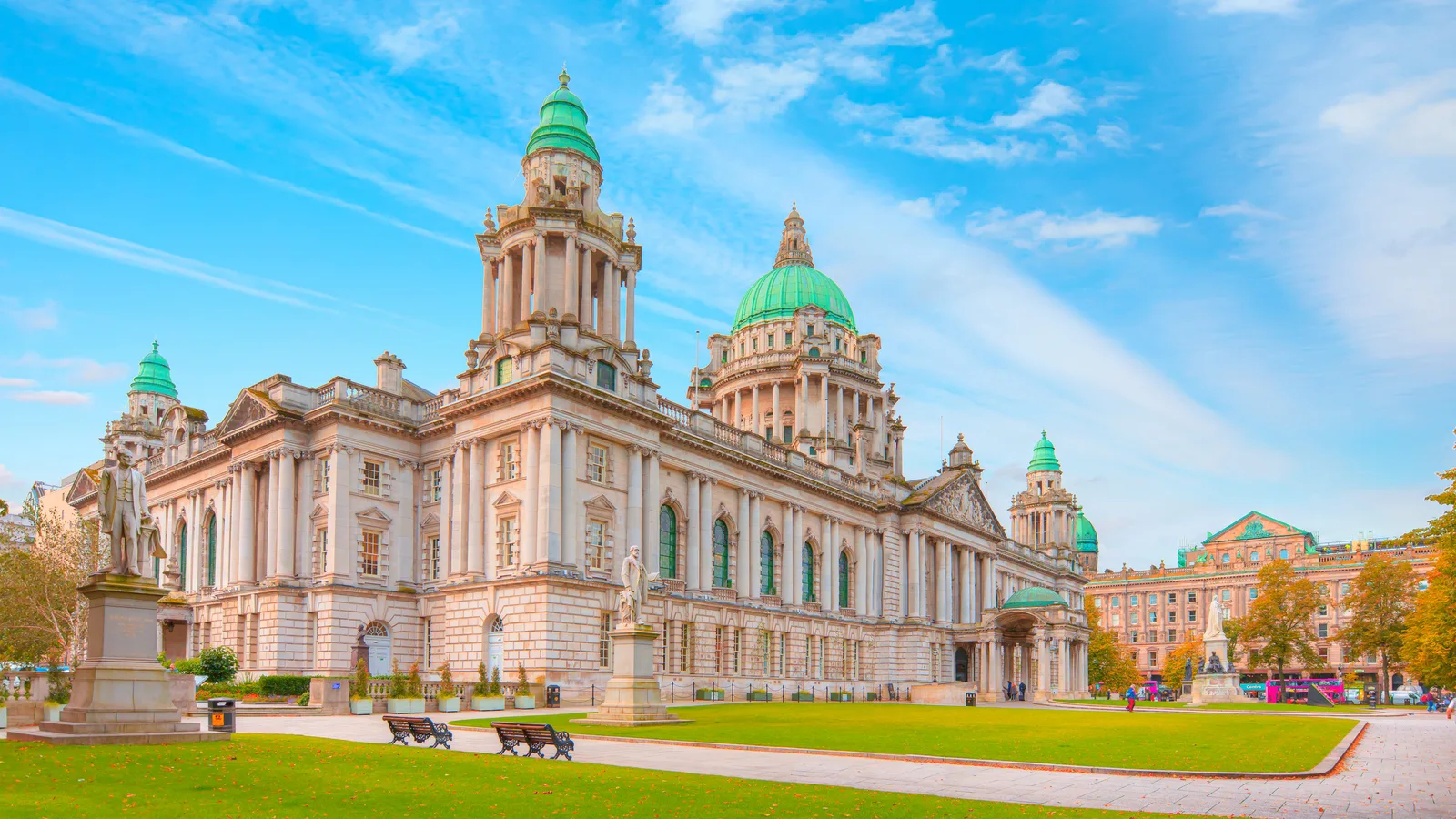
St George's Market was built between 1890 and 1896, and Belfast City Council says the Friday market traces its roots back to 1604. Each day has a different character:
- Friday: a variety market of around 200 stalls, selling fruit and vegetables, fresh fish, antiques, books, clothes and hot food.
- Saturday: the city food and craft market, with local, continental and speciality foods alongside crafts, flowers, photography and pottery.
- Sunday: crafts and antiques with live music and speciality foods.
Our pick is Saturday. Come hungry, eat your way round, then walk up to the Albert Memorial Clock and on into the Cathedral Quarter. The market was named the UK's Best Large Indoor Market for 2023 at the NABMA Great British Market Awards, and on a busy Saturday it is easy to see why.
The Ulster Museum and the Botanic Gardens
South of the centre, the Ulster Museum stands in the Botanic Gardens, next to Queen's University. Entry to the permanent collections is free. It covers art, history and the natural sciences, with more than 15,000 works of art. Three things we wouldn't miss: Takabuti, an Egyptian mummy around 2,600 years old that came to Belfast in 1834; treasure from the Girona, a Spanish Armada ship wrecked off the Giant's Causeway; and a dinosaur skeleton about six metres long. Allow two or three hours, then walk it off in the gardens.
The Girona treasure is also a neat link to the second half of the trip. You will be standing near the wreck site tomorrow.
The Giant's Causeway by train and bus
Here is how we would do the coast without a car. Take the train from Belfast Grand Central to Coleraine. Trains run hourly and the journey takes about an hour and 20 minutes. At Coleraine, the bus centre is part of the station, and buses 170 and 402 go to the Giant's Causeway. The route runs along the coast past Dunluce Castle and through Bushmills, and some buses stop at the Old Bushmills Distillery. Sit on the left heading north for the sea views. In the Translink journey planner, choose "Aird, Giant's Causeway" as your destination.
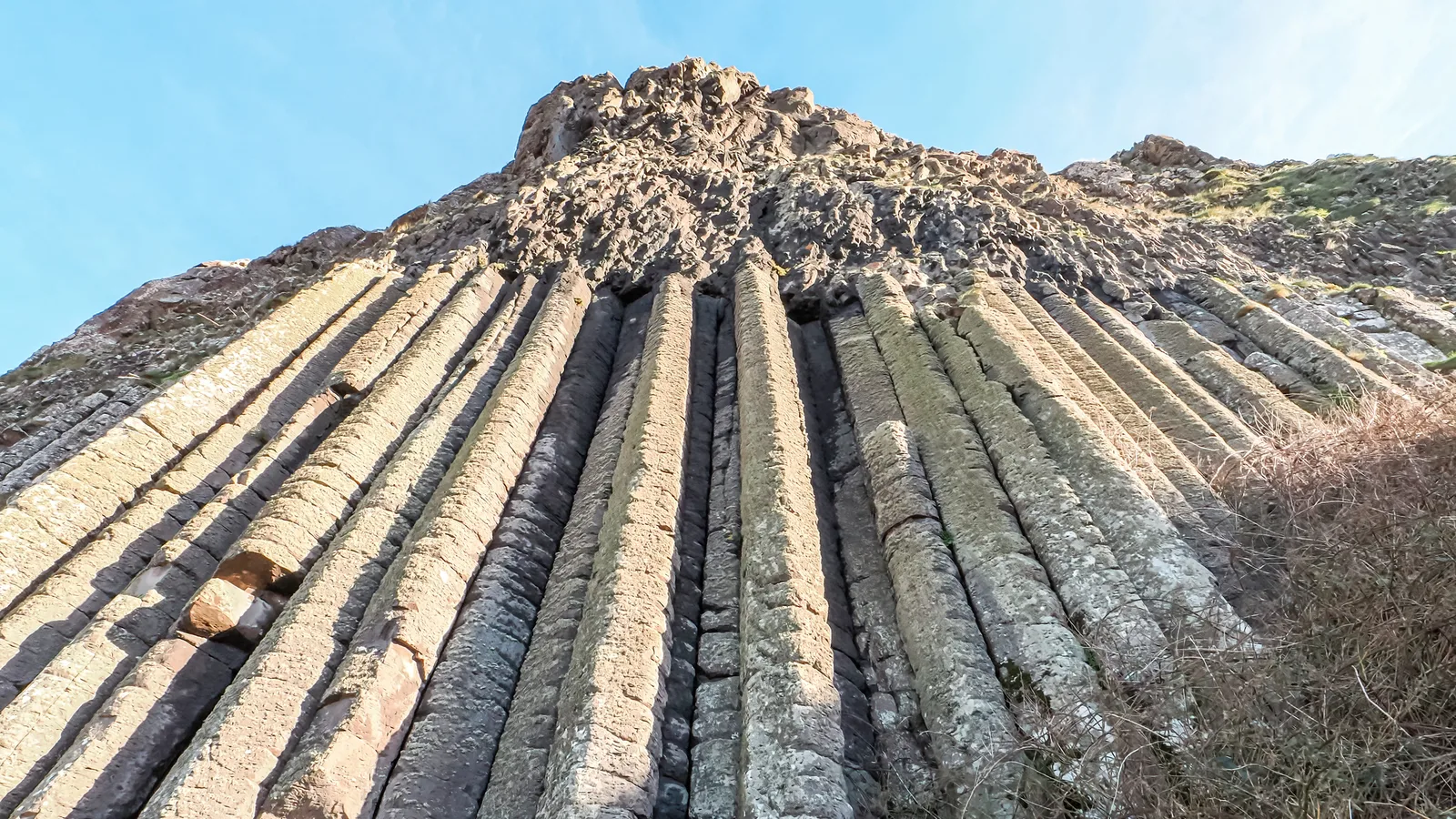
The Giant's Causeway is about three miles north-east of Bushmills, on the County Antrim coast. Around 40,000 interlocking basalt columns, most of them six-sided, were formed by volcanic activity some 50 to 60 million years ago. The tallest are about 12 metres high. UNESCO made it a World Heritage Site in 1986, and the National Trust owns and manages much of it. Legend has a livelier explanation: the Irish giant Finn McCool disguised himself as a baby to scare off his Scottish rival Benandonner, who fled home tearing up the causeway behind him.
Know this before you go. Walking to the stones is free. The visitor centre charges for entry, and National Trust members go in free. Pay for the centre if you want the exhibition and the facilities, but you don't need it to reach the columns.
More of the Causeway Coast
With a car or a tour, the coast road has more to offer. Dunluce Castle is a clifftop ruin from the 16th century, partly lost to storms and erosion. The Carrick-a-Rede rope bridge crosses to a rocky island about 30 metres above the sea, on a route salmon fishermen first used around 350 years ago. Ballintoy Harbour is a small, sheltered harbour at the end of a narrow, winding road. The coast roads can be busy and narrow, so allow extra time.
If you only have three days
- Day one: Titanic Belfast in the morning, then the Cathedral Quarter in the evening for a drink at Kelly's Cellars or Whites Tavern.
- Day two: St George's Market in the morning, then the Ulster Museum and the Botanic Gardens. Add Crumlin Road Gaol or Cave Hill Country Park if you have energy left.
- Day three: Train and bus to the Giant's Causeway, coming back along the coast past Dunluce.
Plan it
- Getting there and around: Belfast Grand Central is the departure point for trains to Coleraine. Use the Translink journey planner for the connecting buses to the Causeway. In the city, the Ulster Museum is about 15 minutes by bus from the centre, or roughly a 25-minute walk.
- Where to base yourself: The city centre or the Cathedral Quarter for walking access to the market and the pubs. Options on our pages include the Grand Central Hotel Belfast and the Bullitt Hotel.
- Best time of year: Any time for the city. For the coast, longer days give you more time on the stones. If you add Rathlin Island, April to June or July is the time for puffins.
- Booking tips: Book Titanic Belfast ahead. Check market days, because each of St George's three markets is different. Some temporary exhibitions at the Ulster Museum need booking or a ticket.
Ready to go? Build a day-by-day plan for Belfast.
Plan a trip to BelfastPlaces in this guide
Frequently asked questions
- Is the Giant's Causeway free?
- Yes, walking to the stones is free. The visitor centre charges for entry, and National Trust members go in free.
- How do you get from Belfast to the Giant's Causeway by public transport?
- Take the hourly train from Belfast Grand Central to Coleraine, about an hour and 20 minutes, then bus 170 or 402 from the bus centre at the station. The bus passes Dunluce Castle and Bushmills on the way.
- What day is best for St George's Market?
- It depends what you want. Friday is the variety market with around 200 stalls, Saturday is the city food and craft market, and Sunday is crafts and antiques with live music.
Sources
- en.wikipedia.org/wiki/Titanic_Belfast
- belfastcity.gov.uk/Things-to-Do/Markets/St-George-s-Market/Information-about-St-George-s-Market
- connollycove.com/ulster-museum-belfast-great-free-attraction-belfast-city/
- wikiwand.com/en/Giant's_Causeway
- seat61.com/places-of-interest/belfast-to-the-giants-causeway.htm
- wildernessireland.com/inspire-me/northern-ireland-travel-guide/causeway-coast-travel-guide/
Related guides
Weekend · Bristol
A Bristol weekend: Brunel's ship, the harbourside, Banksy and the gorge
A weekend in Bristol built around the water: Brunel's iron ship in her dry dock, a free museum of the city, Banksy on the walls and a bridge 101 metres above the Avon.
5 min read
Weekend · The Peak District
A Peak District weekend: Mam Tor, Dovedale, Chatsworth and caves
Two days, two landscapes: gritstone ridges and show caves around Castleton, then limestone dales and a ducal palace further south. Our plan for a weekend in Britain's first national park.
5 min read
Weekend · St Andrews
St Andrews beyond the golf: a long weekend of ruins, quads and beaches
Skip the tee times. Our long weekend in St Andrews takes in a clifftop castle, Scotland's largest medieval church, Scotland's oldest university and two very different beaches.
6 min read