Itinerary
Inverness and Loch Ness in two days: castles, cairns and a battlefield
Two days, one river, one very deep loch. Our plan for Inverness takes in Culloden, the Clava Cairns, Urquhart Castle and a boat on Loch Ness, with time left for the city itself.
By VacationGuide Editors · · 5 min read
Inverness calls itself the capital of the Highlands, and it earns the title less by grandeur than by position. Everything people come north for is within reach: a battlefield that ended a cause, a Bronze Age cemetery older than most cathedrals, a ruined castle above the most famous loch in the world, and a river that runs clear through the middle of town. Two days is enough to see the essentials without rushing, provided you book the one thing that sells out. Here's how we'd spend them.
Day one, morning: Culloden
Start where the history is heaviest. Culloden Battlefield, just beyond the city, is where the Jacobite Rising ended on 16 April 1746 – the last pitched battle on British soil, in which around 1,600 men were killed in less than an hour. The National Trust for Scotland's visitor centre is the place to begin: a 360-degree battle immersion theatre puts you in the middle of the lines, and the museum holds weapons and artefacts from both sides. From the roof there are wide views over the moor.
Then walk the field itself. The gravestones you'll see were put in place 135 years after the battle, and the restored 18th-century Leanach Cottage stands on the edge of the site. Our advice: give the moor at least as long as the exhibition. It is quiet, open and windy, and it does more to explain the day than any screen.
Day one, afternoon: the Clava Cairns
A short drive away, on a terrace above the River Nairn, the Clava Cairns – properly Balnuaran of Clava – make a striking counterpoint. Historic Environment Scotland dates the three large cairns to around 2000 BC, roughly 4,000 years ago. There are two passage graves and a ring cairn, each ringed by standing stones, and the stones are graded in height with the tallest facing south-west. The passages of the two outer cairns point the same way, towards the midwinter sunset.
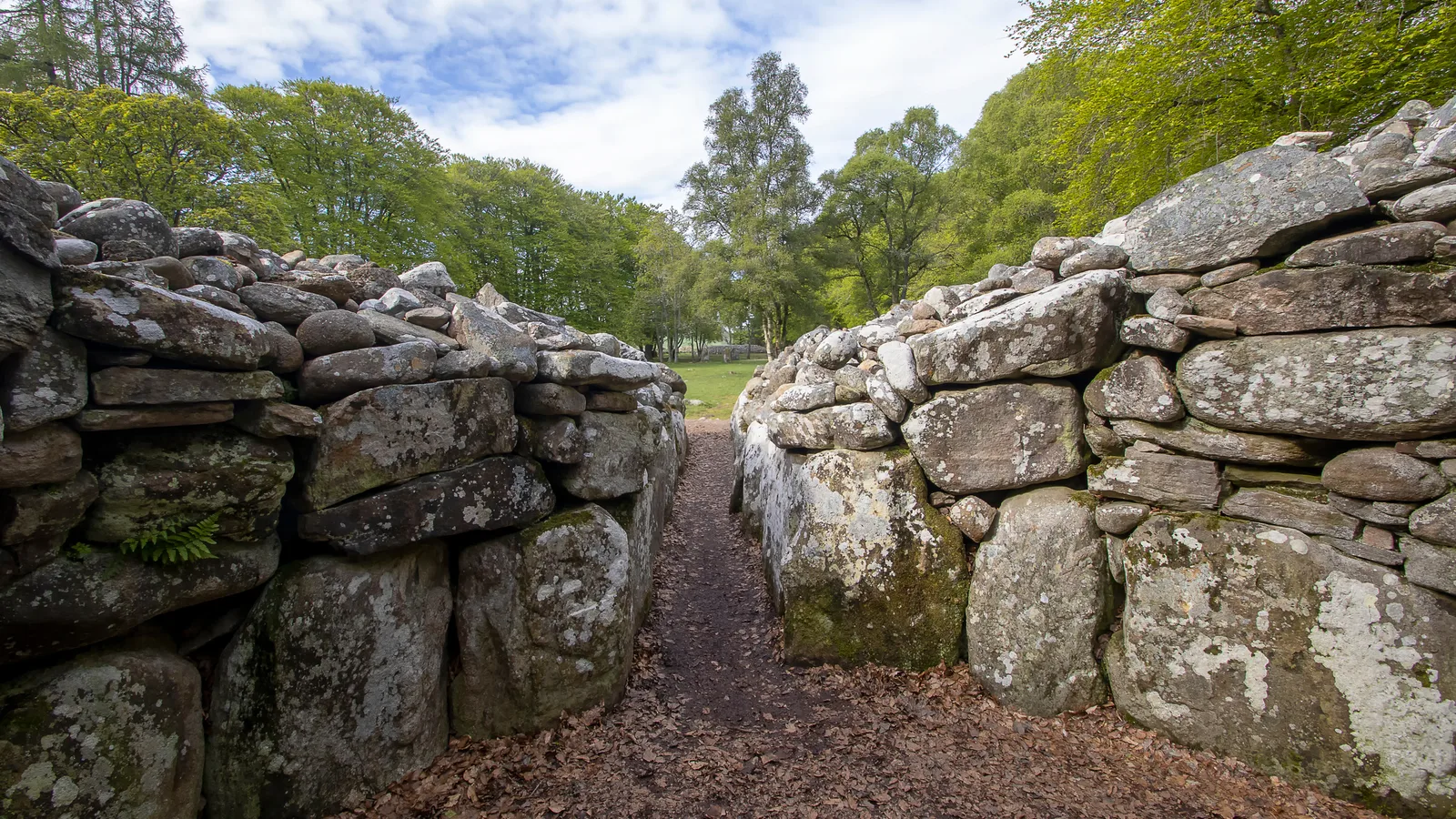
Look closely at the stones in the cairns themselves and you'll find cup marks, possibly carried over from an earlier sacred site. About a thousand years after the cairns were built, the site was reused for new burials. Clava is a "type-site" for around 50 similar cairns in the Inverness and Moray Firth area, and it is open all year. Go late in the day if you can; the low light suits it.
Day one, evening: the city and the river
Back in town, walk up to Inverness Castle. The castle was long used as a courthouse and prison and has been transformed into the Inverness Castle Experience, a visitor attraction built around stories crowdsourced from across the Highlands; VisitScotland notes the panoramic views over the city.
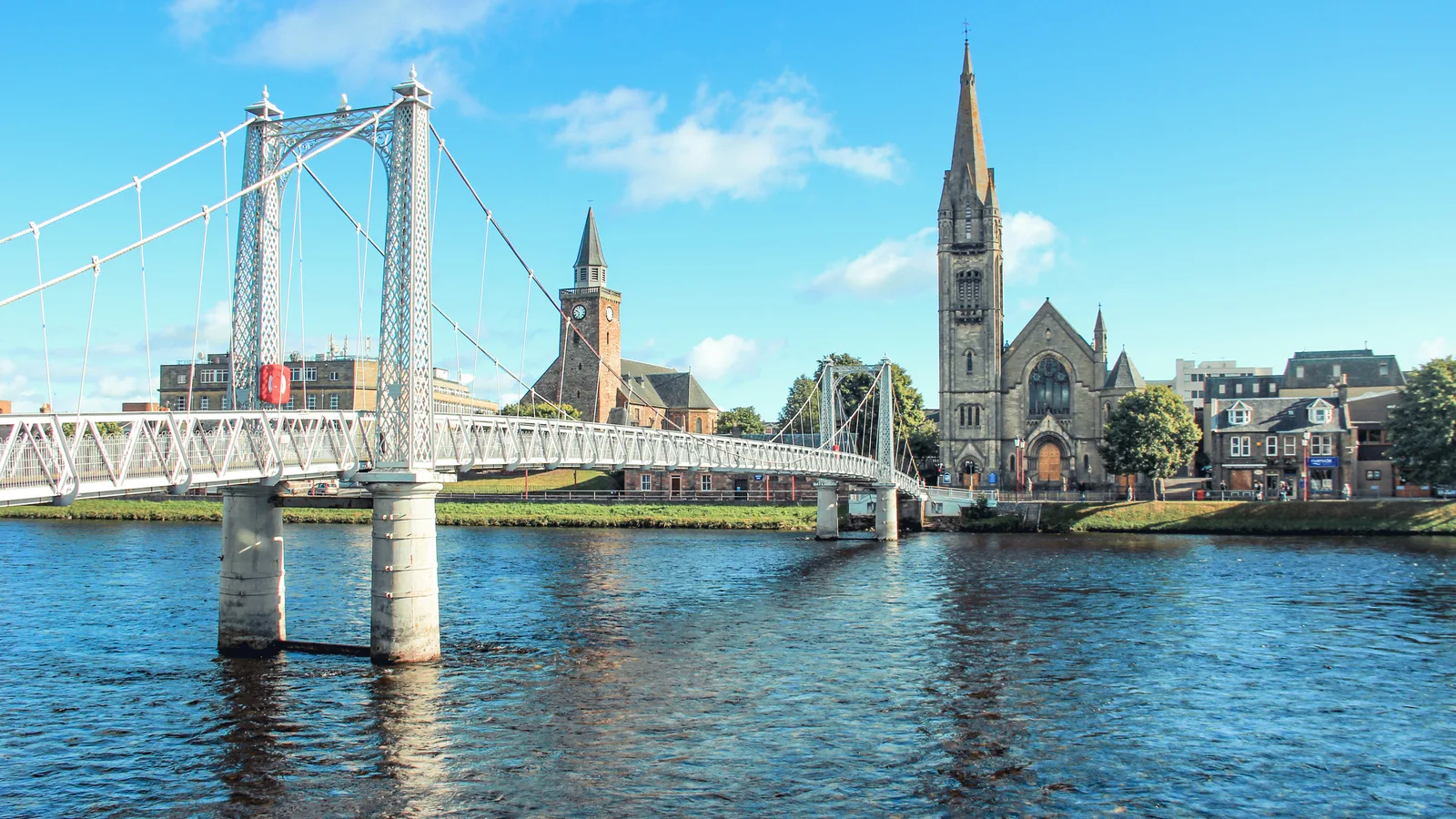
From the castle, drop down to the River Ness and follow it upstream to the Ness Islands, a string of wooded islands linked to each bank and to each other by Victorian footbridges. It's a short walk from the centre, the paths run under tall pines, and in summer you can watch anglers fishing for salmon. On the way back, look in at Inverness Cathedral and Eden Court, the city's theatre.
Before dinner, duck into the Victorian Market. It opened in 1870 as the New Market, burned down completely in 1889 and reopened as a new arcade in September 1891. Today two intersecting covered arcades hold more than thirty independent shops and a food hall, entered through a neoclassical sandstone arch by William Lawrie. It's the city's best bolt-hole on a wet evening.
For dinner, our shortlist starts with The Mustard Seed and River House; for a pint afterwards, try Hootananny or The Castle Tavern.
Day two: Loch Ness and Urquhart Castle
Loch Ness is about 23 miles long, running from Inverness to Fort Augustus along the Great Glen Fault, and it is more than 228 metres deep in places. It holds more water than all the lakes in England and Wales put together – a statistic that becomes easier to believe once you're on it.
The best way to see it is from the water. Jacobite runs several Loch Ness cruises from three bases: Tomnahurich Bridge on the edge of Inverness, Dochgarroch Lock on the Caledonian Canal, and Clansman Harbour further down the A82. Some sailings simply cross the loch with commentary; others, including the Discovery cruise from Dochgarroch and the Freedom cruise from Clansman Harbour, drop you at Urquhart Castle and pick you up again. There are also coach-and-cruise combinations from Inverness bus station if you're not driving.
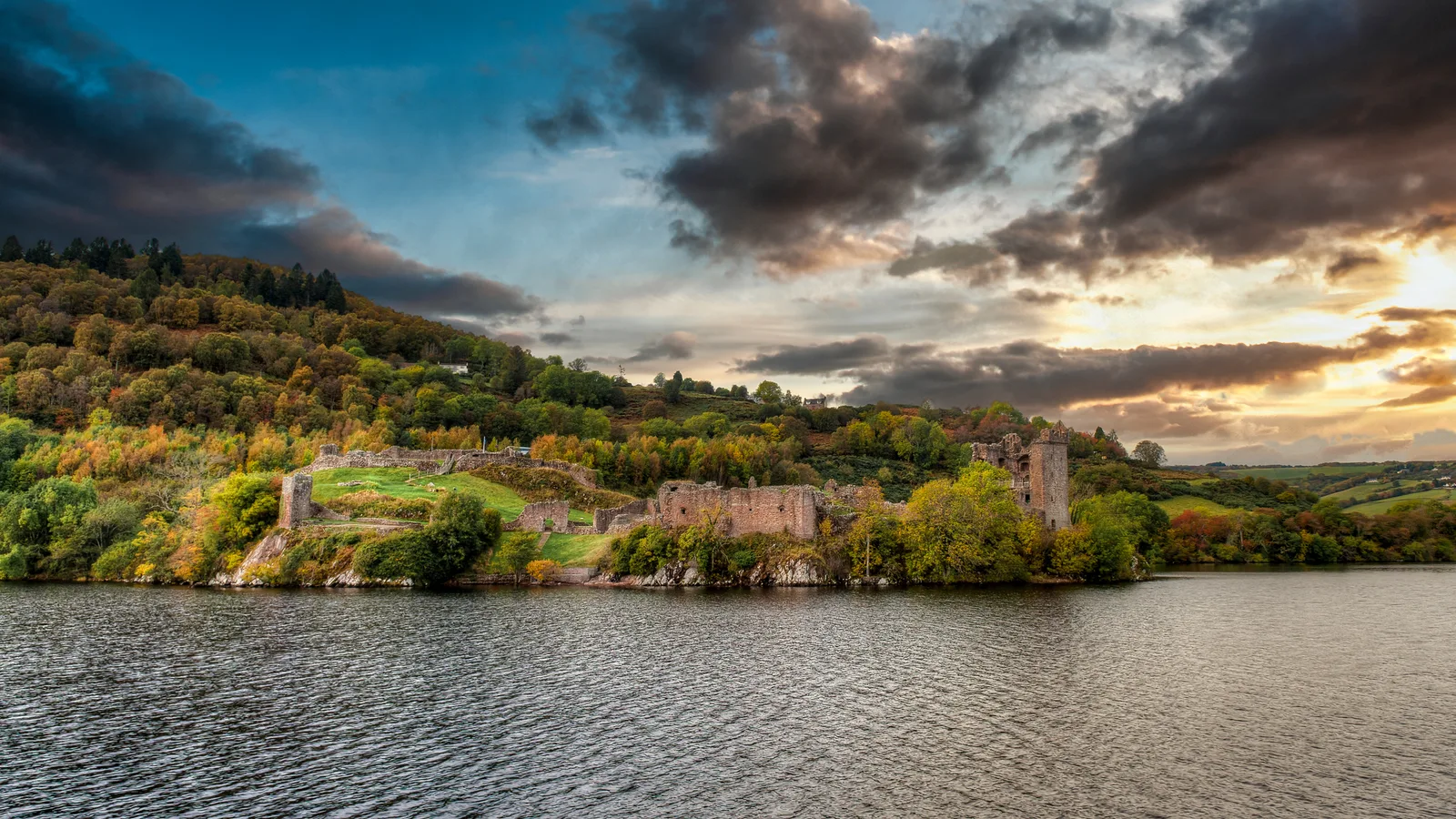
Urquhart itself sits on the western shore, about two miles from Drumnadrochit. Historic Environment Scotland describes some 500 years as a medieval fortress: control passed back and forth between Scots and English during the Wars of Independence, the Lords of the Isles raided it repeatedly until the 1500s, and the last government troops blew it up when they left during the Jacobite period. Climb the Grant Tower for the view down the loch, and look for the full-sized trebuchet. Be ready for some effort: the Grant Tower is reached by wooden stairs, and the Watergate and the early castle ruins involve steep steps. The visitor centre, shop and café are reached from the car park by a steep ramp.
If you'd rather not drive at all, Jacobite's Sensation tour from Inverness bus station combines a cruise with the Loch Ness Exhibition Centre in Drumnadrochit and an hour at the castle.
The one thing to book: Urquhart tickets often sell out, especially in summer, and HES says that once tickets are gone online there are none at the castle. Parking is free but limited, and spaces are only guaranteed if you book online.
If you only have one day
Do Culloden first thing, then drive down the A82 to Urquhart Castle (booked ahead) and take a short loch cruise from Clansman Harbour. Finish with a walk round the Ness Islands as the light goes. You'll miss Clava, which is the price of rushing.
Plan it
- Getting there: Trains run to Inverness from Edinburgh, Glasgow and Aberdeen, and the Caledonian Sleeper runs directly from London. Inverness Airport is about nine miles north-east of the city. By road, allow about three and a half hours from Edinburgh.
- Where to base yourself: Stay central so you can walk the river in the evenings. Options range from Ness Walk Hotel and Glen Mhor Hotel & Apartments to chains such as Premier Inn Inverness Centre (River Ness); Inverness Youth Hostel is the budget option.
- Best time of year: Summer brings the longest days but the most pressure on Urquhart tickets. Spring and autumn are calmer; Clava is open all year.
- Booking tips: Book Urquhart Castle online as soon as your dates are fixed. Book your cruise in advance too, and check which sailings include a castle stop.
- Rainy-day back-up: The Inverness Museum & Art Gallery and the Victorian Market keep you dry in the centre.
Ready to go? Build a day-by-day plan for Inverness and Loch Ness.
Plan a trip to Inverness and Loch NessPlaces in this guide
Frequently asked questions
- Do I need to book Urquhart Castle in advance?
- Yes, in practice. Historic Environment Scotland says tickets often sell out, especially in summer, and that no further tickets are available at the castle once they are sold out online. Parking spaces are only guaranteed when booked online.
- Can I get to Urquhart Castle by boat?
- Yes. Several Jacobite cruises, including sailings from Dochgarroch Lock and Clansman Harbour, include a stop at Urquhart Castle. Coach-and-cruise options leave from Inverness bus station.
- How old are the Clava Cairns?
- The three large cairns were built around 2000 BC, about 4,000 years ago, and the site was reused for burials roughly a thousand years later. It is open all year.
Sources
- nts.org.uk/visit/places/culloden
- historicenvironment.scot/visit/all/clava-cairns/history-and-stories/
- historicenvironment.scot/visit-a-place/places/clava-cairns
- historicenvironment.scot/visit/all/urquhart-castle/plan-your-visit/
- historicenvironment.scot/visit-a-place/places/urquhart-castle/overview/
- jacobite.co.uk/blog/plain-sailing-your-choice-loch-ness-cruises-and-tours
- ebsco.com/research-starters/environmental-sciences/loch-ness-body-water
- visitscotland.com/places-to-go/inverness
- highland.gov.uk/news/article/15298/what-is-the-inverness-castle-experience-
- visitinvernesslochness.com/listings/ness-islands
- en.wikipedia.org/wiki/Victorian_Market
Related guides
Itinerary · Bath
Bath in a day: Roman Baths, the Abbey, Pulteney Bridge and the Crescent
One day, all on foot: from the steaming Roman Baths and Bath Abbey to Pulteney Bridge, the Circus and the Royal Crescent, with a Sally Lunn bun along the way.
5 min read
Itinerary · The Cotswolds
The Cotswolds village by village: Broadway Tower, Sudeley and Blenheim
Follow the Cotswold Way from Chipping Campden's Market Hall to Broadway Tower and Katherine Parr's grave at Sudeley, then finish at Blenheim in Capability Brown's parkland.
5 min read
Itinerary · The Isle of Skye
Your first trip to Skye: roads, crowds, weather and the big sights
Skye rewards planning. How to get there, drive its single-track roads well, beat the crowds at the Storr and the Fairy Pools, and fit in the Quiraing and Dunvegan Castle.
6 min read